


EXPLORE OUR SPORTS NUTRITION RANGE


Running Supplements
-

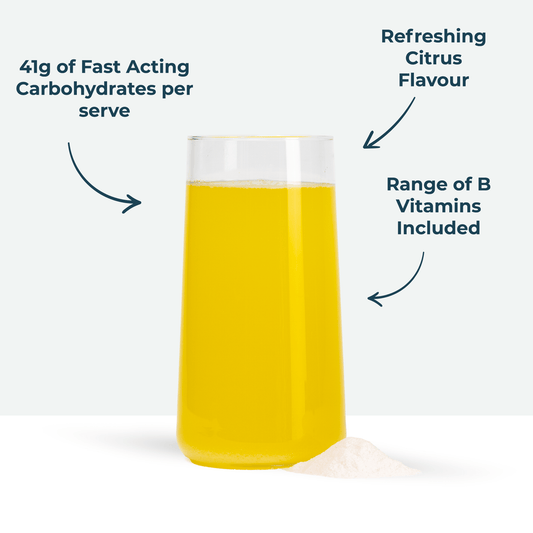
Energy Citrus 1.5kg 1.5kg
1.5kgRegular price £32.99Regular priceUnit price per -

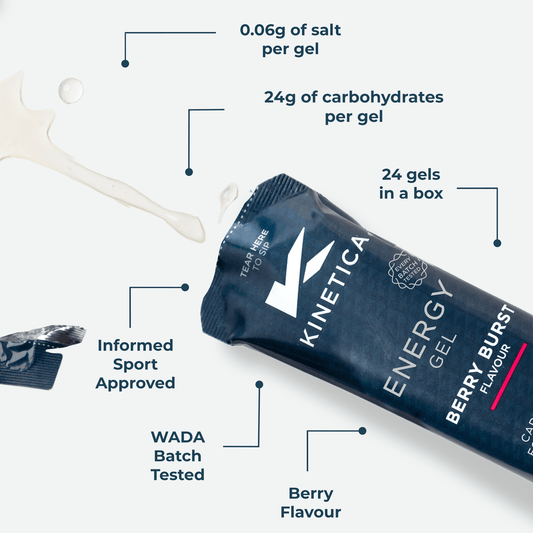
Energy Gel Berry Burst - 24 x 70g Berry Burst 24 Pack
Berry Burst / 24 PackRegular price £35.99Regular priceUnit price per -

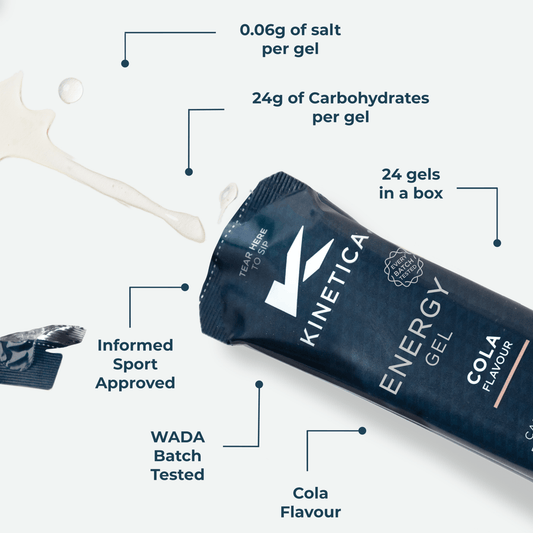
Energy Gel Cola - 24 x 70g Cola 24 Pack
Cola / 24 PackRegular price £35.99Regular priceUnit price per -

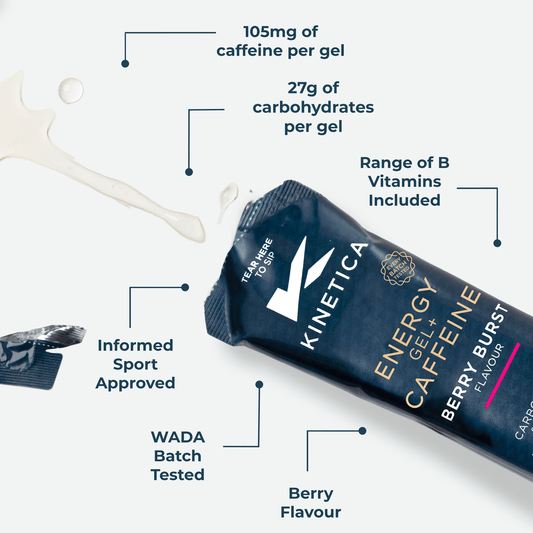
Energy Gel with Caffeine Berry Burst - 24 x 70g Berry Burst 24 Pack
Berry Burst / 24 PackRegular price £35.99Regular priceUnit price per -

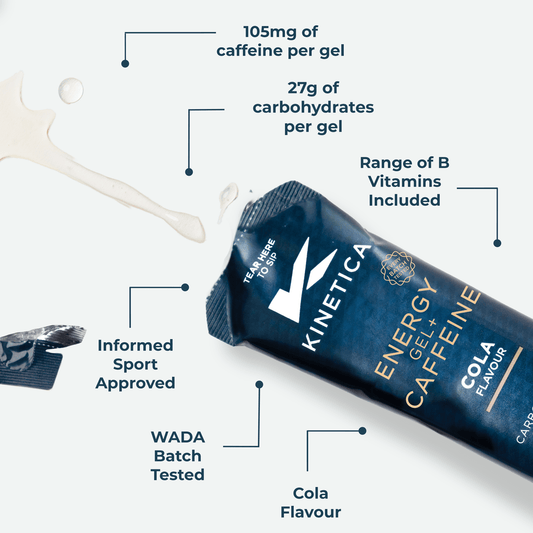
Energy Gel with Caffeine Cola - 24 x 70g Cola 24 Pack
Cola / 24 PackRegular price £35.99Regular priceUnit price per -

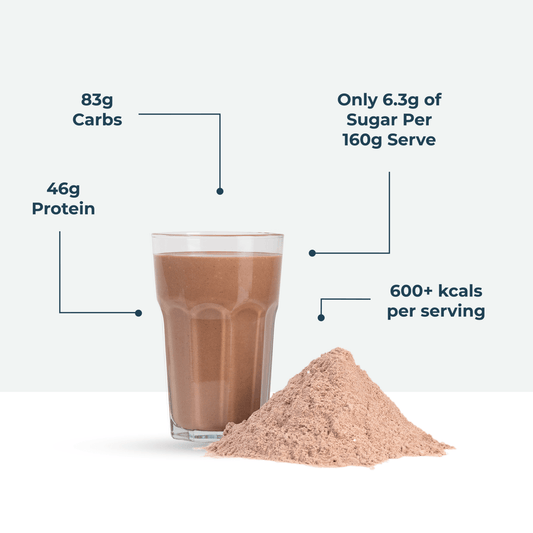
OatGain Chocolate Caramel Nut 2.4kg Chocolate Caramel Nut 2.4kg
Chocolate Caramel Nut / 2.4kgRegular price £49.99Regular priceUnit price per -


OatGain Raspberry Yoghurt 2.4kg Raspberry Yoghurt 2.4kg
Raspberry Yoghurt / 2.4kgRegular price £49.99Regular priceUnit price per -


Omega-3 Fish Oil - 90 Capsules 90 Capsules
90 CapsulesRegular price £18.99Regular priceUnit price per -

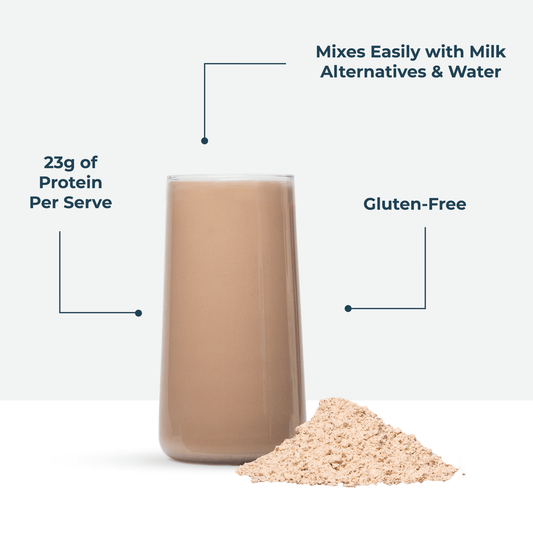
Plant Protein Chocolate 1kg Chocolate 1kg
Chocolate / 1kgRegular price £44.99Regular priceUnit price per -


Recovery Orange & Mango 1.5kg Orange & Mango 1.5kg
Orange & Mango / 1.5kgRegular price £47.99Regular priceUnit price per -

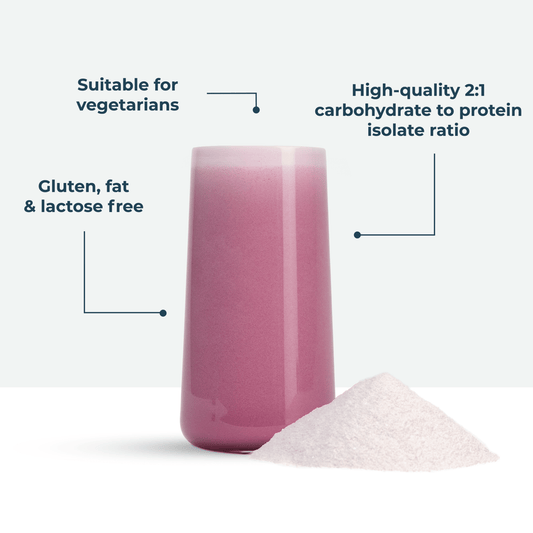
Recovery Wild Berry 1.5kg Wild Berry 1.5kg
Wild Berry / 1.5kgRegular price £47.99Regular priceUnit price per -


Whey Protein Banana 1kg Banana 1kg
Banana / 1kgRegular price £52.99Regular priceUnit price per


READ OUR BLOG


When it comes to endurance sports, running places a sustained demand on the body. Whether it is a 5K, a marathon, training to build weekly mileage or an actual competition, endurance running relies mostly on consistent fueling, proper hydration and recovery support. This is where running supplements come in.
According to research, carbohydrate availability, hydration status, and nutrient timing can all play vital roles in running performance among endurance athletes.
This page contains a collection of sports supplements that may help support runners across every stage of training. This may include training to increase daily mileage or prepping for an upcoming competition. This range is designed to complement a proper fueling and nutritional strategy, helping athletes meet the increased demands on the body.
It is also vital to note that recovery is equally important. Post-run nutrition, including carbohydrates and protein, may support glycogen levels in the body that may further help with muscle repair.
Over time, consistent fueling and following the right recovery strategies may help runners maintain proper consistency and better training adaptation. This collection brings together all the key sports nutrition supplements, designed specifically for endurance sports like running.
Why Do You Need Supplements for Running?
While running is one of the most accessible forms of exercise, it places significant stress on the body. From daily running training to long-distance competitions, runners regularly rely on a proper carbohydrate balance and their muscles and energy stores. Over time, with training, high intensity and demanding frequency, the body’s nutritional demands may increase. Research suggests that meeting these extra nutritional demands through a better fuelling and recovery strategy may help support the performance of these endurance athletes.
Below are some of the reasons why athletes need the best running supplements:
High Energy Requirements & Demands
As said above, running relies on carbohydrate and fat as a primary fuel source. As the duration or intensity of running increases, stored glycogen levels in the body can start to deplete. This is often linked to fatigue and reduced exercise capacity. For runners who train multiple times a week, meeting daily energy requirements may be recommended. With sufficient fuelling, athletes may struggle to maintain pace or perform better in longer sessions. It may also affect their recovery.
Supporting Breakdown & Recovery
Running involves repetitive impact on muscle contraction. This may contribute to muscle damage and soreness. Protein intake and relying on other running supplements after endurance training have often been associated with muscle repair and a faster recovery process. Reinforcing adequate recovery supplements may allow runners to maintain a proper consistency, especially when training is more demanding.
Maintaining Hydration & Electrolyte Balance
Fluid loss through sweat can be one of the major reasons for dehydration, especially if the training or event is in a warmer environment. Dehydration and even electrolyte balance are known to be closely linked to reduced performance when it comes to endurance. In this context, the level of perceived effort may also increase. Relying on supplements for runners' recovery can allow a proper supply of nutrients like sodium in the body that may help maintain a proper fluid balance and support normal muscle and nerve functioning.
Immune Support & Fatigue Management
High training can put demands on the immune system. In fact, multiple studies also suggest that prolonged endurance training may temporarily affect the immune system, especially during the training periods. Maintaining proper nutrition through running supplements may help runners stay consistent and support their immune systems.
Support for Long-Term Training Consistency
Running progress often depends on the ability to train regularly and training adaptation. A proper fuelling and nutritional strategy, including the right runners' nutrition supplements, may improve your adaptation to training and help maintain your energy levels.
Understanding the Physiology of Running Performance
To understand why runners need additional nutritional help, it may be useful to explore the whole physiology behind running performance. It’s true that running challenges multiple body systems, including energy levels, muscle repair, hydration, neurological fatigue and the immune system. Moreover, based on recent studies, endurance sports continue to highlight how a proper and well-built nutritional strategy, including proper running supplements, may help support these bodily processes.
Energy Systems Used in Running
Running relies on aerobic and anaerobic energy systems. During steady-state endurance running, the aerobic system is usually dominant, using oxygen to convert carbohydrates and fats into usable energy. As the pace increases, the body switches to an anaerobic system that relies heavily on rapid energy production.
Carbohydrates play a vital role because they are rapidly converted into glucose and used by the working muscles. Muscle glycogen stores are often limited and can be depleted quickly. This depletion is often linked to fatigue and reduced performance. For longer races or intense training sessions, maintaining carbohydrates before and during the event is widely studied and recommended in endurance nutrition strategies.
Muscle Damage & Recovery
Running involves prehensile ground impact and muscle contraction, especially in the quadriceps, calves and hamstrings. This stress can often lead to damaged muscle fibres and delayed onset muscle soreness (DOMS) post-training. Supporting recovery through the right running nutrition supplements may help the runner maintain consistency despite frequency and adapt to high training loads more effectively.
Hydration & Electrolyte Loss
With sweat, the body can lose fluids and electrolytes, like sodium. These changes can influence thermoregulation, cardiovascular functioning and effort. Even moderate dehydration is linked to reductions in performance. Hydration strategies, involving running supplements like energy gels or electrolyte tablets, can support a proper fluid balance.
Fatigue, Focus & Central Nervous System
Fatigue during endurance training is not just physical. Central fatigue, which involves the brain and nervous system, can influence pacing decisions, effort and motivation. Carbohydrate intake during exercise has often been associated with proper physical and mental aspects of endurance performance. Caffeine, in this context, has been studied for its potential role in supporting alertness and reduced perceived exertion during endurance exercise. The best supplements for running, like energy gels with caffeine, can be a useful addition to your fuelling and recovery strategy.
Key Types of Running Supplements
Endurance training like running can place a huge demand on fuelling, hydration and recovery. In this context, runners often rely on a range of running supplements that are designed for different stages of running. Each supplement category may serve a specific purpose, like providing rapid energy and supporting muscles during recovery.
Carbohydrate & Energy Supplements
Carbohydrates are widely recognised as a primary fuel for endurance training and exercise. During running, the body heavily relies on muscle glycogen and blood glucose levels to produce energy. This helps delay fatigue. However, when these stores begin to decline, performance can also take a dip and perceived effort may increase.
In a broader context, carbohydrate supplementation can be divided into three key moments:
- Pre-run fuelling
- In-run fuelling
- Post-run recovery
Because it can be challenging to consume a lot of carbohydrates in a day, running athletes can rely on sports nutrition supplements, like the below, to help maintain energy levels.
Pre-Workout Powder
Pre-run fuelling aims to top up the muscle glycogen levels while helping runners begin sessions in an energised state. Kinetica PreFuel is designed for exactly the same. It combines carbohydrates, caffeine and key micronutrients to support performance and alertness before the session. Research indicates that caffeine may enhance endurance performance, reduce perceived exertion and support mental focus.
Energy Gels
Energy gels are carbohydrate sources designed for quick and portable consumption, without interrupting any activity. They are pretty quick to consume and easy to carry. Plus, the energy gels are also rapidly absorbing, allowing the body to access carbohydrates quickly and sustain the increased demands on the body. Energy gels by Kinetica Sports can be a good choice, especially if training or exercise extends beyond 60 minutes. Kinetica Sports also offers energy gels with caffeine and without caffeine.
Energy Drink Powders
Fluid intake is essential for long runs to sustain hydration and fuelling. Carbohydrate-electrolyte drinks and Kinetica Sports Energy Powder are designed to support hydration and provide a steady carbohydrate supply during exercise. Research also suggests that combining carbohydrate and fluid intake may improve endurance performance.
Electrolytes & Hydration Supplements
Hydration is a crucial factor in endurance running, especially during longer sessions and higher temperatures. Runners lose fluid and electrolytes through sweat. Even mild dehydration is linked to impaired performance for endurance sports.
Electrolyte Tablets
Kinetica Electrolyte tablets offer a convenient way to support hydration during training or racing. These effervescent tablets quickly dissolve in water, creating a light hydration drink. They can be consumed before, during or after exercise. Moreover, these tablets are usually preferred when athletes prefer a lighter form of hydration, want to manage fluid intake in a quick way or have to train multiple times a day.
Protein & Recovery Supplements
When it comes to better performance, recovery is perhaps one of the most important aspects for any running programme. While endurance running primarily relies on carbohydrates as fuel, recovery running supplements also play a vital role in muscle repair and proper training adaptation. Repeated impact, muscle contraction and increased training frequency may contribute to muscle damage and soreness.
In fact, research suggests that relying on supplements for runners' recovery, like protein, after an endurance activity may help support muscle repair and trigger the recovery process, especially if the nutrition strategy considers a proper intake of carbohydrates.
For runners, post-training nutrition mostly focuses on restoring energy, repairing muscle tissues and preparing your body for the next training session.
Whey Protein
In this context, Whey Protein, by Kinetica Sports, offers a convenient source of grass-fed whey, which is designed to be consumed easily. Whey protein is widely used in sports nutrition because it contains essential amino acids. Plus, it is also easy on the gut and can be digested easily. Consuming protein as a running supplement, post-run, may help support muscle repair, contribute to a better recovery process and complement carbohydrate intake after long runs.
Recovery Powder
Kinetica Sports’ Recovery is a post-exercise formula that combines carbohydrates with protein. This is a recovery drink that is often recommended to be consumed after highly intense endurance training, as glycogen levels can drop and muscle repair is the body’s priority. In fact, a study also suggests that combining carbohydrates with protein after a highly intense endurance training exercise may help support glycogen levels in the body and trigger the recovery process. In this context, recovery powder can be mixed with water and can be consumed after long runs, during intervals, back-to-back training days and races or other endurance events.
Creatine & Performance Supplements
Creatine is a running supplement commonly associated with strength and power sports. However, research highlights its potential role in supporting endurance and running performance. So, while creatine may not be the primary endurance fuel, it may support high intensity efforts, sprint performance and strength training. According to a study, creatine helps replenish phosphocreatine stores in the muscle, which further supports rapid energy production during high-intensity exercise.
Creatine Monohydrate
Creatine Monohydrate by Kinetica Sports offers a widely researched form of creatine supplementation that can be incorporated into routine during speed-focused training, sprint, interval sessions and off-season performance development. Studies suggest that creatine plays a role in high-intensity training performance and muscular power development.
Choosing the Right Supplement for Running
Running nutrition strategies can vary depending on training goals, environment, experience levels and running distance. While not every runner may need the same running supplement, many nutrition strategies focus on fuelling, hydration, recovery and performance. Choosing the best supplements for running often depends on when and why certain supplements may be useful in your case.
Choosing Running Supplements Based on Training Type
Different running distances place different demands on the body. As the intensity grows, recovery and fuelling requirements become more structured.
For instance, short races like a 5K may focus more on speed, recovery and intensity. Here, the most common supplements may be PreFuel, Whey Protein and Electro-C Tablets by Kinetica Sports. When it comes to half marathon training, preparation usually involves increasing weekly mileage, which means more frequent and longer training sessions. In this context, runners can rely on supplements by Energy Gel, Energy Powder and Recover Powder by Kinetica Sports as part of their fuelling strategies.
Moreover, for endurance training or a marathon, the strategies mostly focus on significant glycogen stores, a proper hydration balance and recovery capacity. Supplements like PreFuel, Energy Gel, Electro-C Tablets, Whey Protein and Recovery Powder by Kinetica Sports can be a good pick.
Choosing Running Supplements Based on Training Phase
Many runners adjust supplements based on whether they are preparing before exercise or fuelling up for the next race. Before running, supplements like PreFuel and Electro-C tablets can keep your energy levels stable and help maintain proper hydration throughout.
During running or mid-races, runners should rely on quick and convenient sources of energy like Energy Gels with and without Caffeine. Moreover, Energy Drink and Electro-C hydration tablets can also help.
After running, recovery is a priority. Strategies should focus on supporting glycogen replenishment, muscle repair and rehydration. In this sense, Kinetica Recovery, Whey Protein and Electro-C tablets may be a good choice.
Choosing Running Supplements on Experience Level
Supplement requirements can also change as the experience evolves. For beginner runners, the focus should be more on hydration and basic recovery. Running supplements like Electro-C tablets & Kinetica Whey Protein may help improve training adaptability.
For regular or recreational runners, the focus should be on improving training mileage and performance. In this sense, Energy Gels, PreFuel and other recovery-focused supplements may be a good choice. For runners who are highly experienced, a comprehensive fuelling and recovery plan should be in place. This may involve structured carbohydrate intake during exercise, caffeine-based fuelling strategies, daily recovery nutrition like Whey Protein and a proper hydration plan.
FAQs on Running Supplements
Below are some of the most common questions people ask about running supplements:
Do runners need sports supplements?
While all supplements may not be necessary, relying on the best running supplements may help provide convenient support during high-intensity training periods. These supplements can often support carbohydrate intake, hydration, post-run recovery and energy availability.
What are the best running supplements?
Some of the best supplements for running are Energy Gels, Electro-C tablets, Recovery Formulas, Whey Protein, Creatine and Pre-Workout Supplements like PreFuel by Kinetica Sports.
Should whey runners use energy gels?
Energy gels are usually consumed during endurance sessions that last longer than 60-90 minutes. Kinetica Sports Energy gels may be used during long marathon runs, marathons, half marathons and endurance runs.
Are electrolyte supplements important for runners?
Electrolyte intake can be important for runners as it can help maintain fluid balance in the body. This can help in heavy sweating conditions or warm weather. These running supplements may also support fluid balance, hydration management and rehydration after exercise.
Should runners take protein after running?
Protein intake after exercise is commonly recommended to support a better recovery. Products like Whey Protein by Kinetica Sports are often used after endurance sessions to support a good recovery strategy.