


SHOP OUR CREATINE SUPPLEMENTS RANGE
-

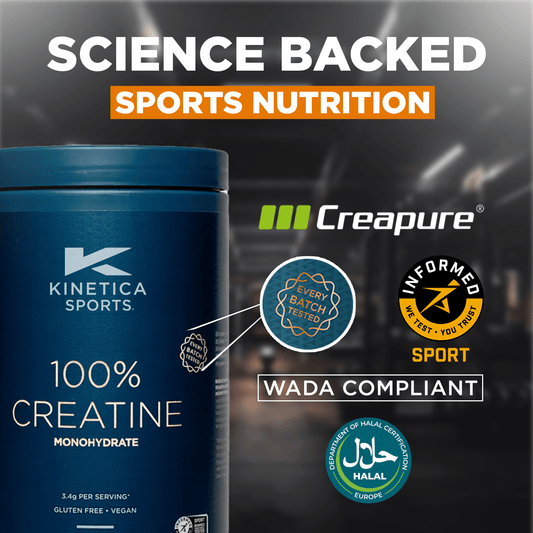
100% Creatine Monohydrate Powder - Unflavoured 500g Unflavoured 500g
Unflavoured / 500gRegular price £38.99Regular priceUnit price per -


Creatine & Vanilla Whey Protein Bundle Vanilla
VanillaRegular price £98.06Regular priceUnit price per£108.96Sale price £98.06 -

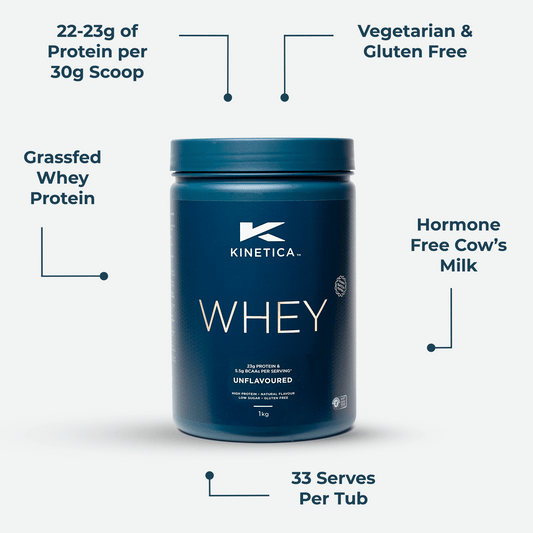
Creatine & Unflavoured Whey Protein Bundle Unflavoured
UnflavouredRegular price £98.06Regular priceUnit price per£108.96Sale price £98.06 -

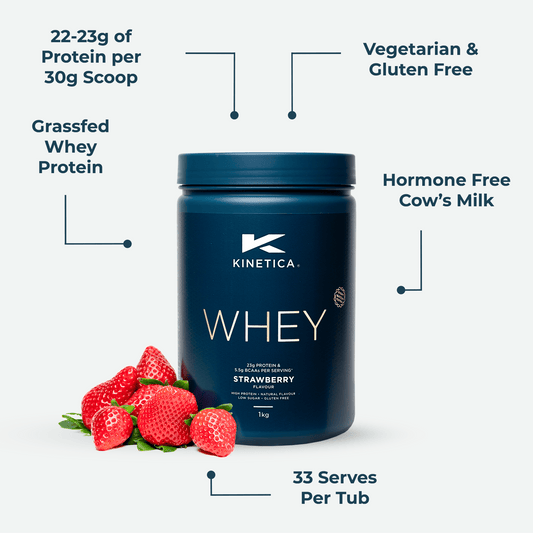
Creatine & Strawberry Whey Protein Bundle Strawberry
StrawberryRegular price £98.06Regular priceUnit price per£108.96Sale price £98.06 -

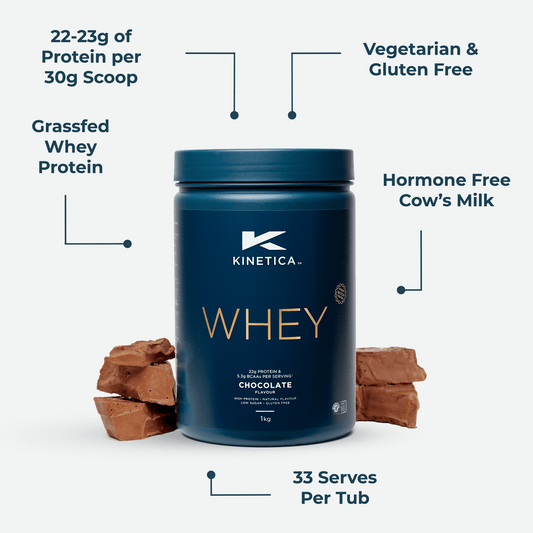
Creatine & Chocolate Whey Protein Bundle Chocolate
ChocolateRegular price £98.06Regular priceUnit price per£108.96Sale price £98.06


READ OUR BLOG


When it comes to sports nutrition, creatine is one of the most researched supplements. Commonly used by athletes, creatine is typically associated with increased strength, power, and energy production during high-intensity training sessions. According to a position statement in the International Society of Sports Nutrition, creatine powder is one of the most studied and effective nutritional supplements available to athletes.
Creatine is found naturally in the body, where it is stored in skeletal muscles. Here, creatine contributes to the regeneration of adenosine triphosphate (ATP), which is responsible for the body’s energy levels. ATP is primarily essential, especially in active individuals performing activities like running, sprinting, weightlifting and highly intense training sessions. According to research published in Nutrients, the main role of creatine is to support high-intensity exercise performance and training adaptations.
When combined with a structured nutritional and training programme, a creatine supplement may be used to support adequate muscle creatine stores. Since it is widely researched, creatine monohydrate is available in different formats to suit athletes’ different routines and preferences.
What is Creatine Powder?
Simply put, creatine is a naturally occurring compound synthesised in the body from amino acids. These compounds are primarily present in skeletal muscles. They are also present in small amounts in food like meat or fish. In the body, creatine is converted into phosphocreatine, which plays a vital role in energy production during high-intensity training sessions.
About 95% of the body’s creatine is found in skeletal muscles, where they support the regeneration of adenosine triphosphate (ATP). This particular molecule is responsible for providing energy during muscle contractions. During a highly intense workout session, ATP stores rapidly decline, and phosphocreatine is usually used to replenish these energy stores to support continued performance. According to research published in the International Society of Sports Nutrition, creatine supports rapid energy availability during intense training or exercise sessions.
While creatine is naturally produced in the body, dietary intake and training demands may influence the total creatine stores. Athletes following a training programme may rely on creatine supplements to maintain consistent availability of energy, especially during sessions.
A citation of scientific literature, published in Sports Medicine, also describes creatine monohydrate as one of the most common forms of creatine supplementation used for exercise performance.
How Does Creatine Sports Supplement Work in the Body?
Creatine in sports nutrition is often linked to the body’s ability to produce energy during intense training sessions. Activities like weight lifting, sprinting and repeated accelerations can put a load on the phosphocreatine energy system.
The ATP-Phosphocreatine Energy System
ATP is the primary source of energy for muscle contractions. However, the ATP level stored in muscles is limited and can deplete within seconds during intense training sessions. For continued performance, the body must rapidly generate ATP. This is where phosphocreatine comes in. Phosphocreatine, stored in muscles, donates a phosphate group to ADP, allowing the body to regenerate ATP and offer sustained energy levels. Research, published in Nutrients, explains that a creatine supplement can improve phosphocreatine stores, supporting the body’s ATP regeneration ability during repeated, high-intense training sessions.
Supporting Repeated High-Intensity Trainings
Many sports may require repeated bouts of high-intensity efforts or training sessions, with limited time to recover in between. In such cases, the ability to regenerate ATP is very critical. A citation in the International Society of Sports Nutrition also notes that supplements like creatine monohydrate powder can increase intramuscular creatine stores, which may support performance during a training session.
Role in Training Adaptation
Because creatine may help support the body’s rapid energy systems, creatine supplements are commonly integrated into a structured training programme. These supplements can also be used alongside a well-followed nutritional plan to support consistency and recovery.
Reasons Creatine is a Good Sports Nutrition Supplement
Creatine is widely used in different sports, including competitive, team and power, due to its role in high-intensity training sessions. When combined with a well-followed structured nutritional plan, creatine powder intake is considered, while keeping in mind the energy intake, protein intake and recovery plan. Below are some reasons why athletes rely on creatine supplements:
Supports Strength & Power Training
Athletes in power and strength sports often perform repeated sets of high-intensity exercises, without much time to rest in between. Maintaining the ability to produce enough energy during such training sessions is the key component of progressive training programmes. As mentioned in the research published in Sports Medicine, the best creatine supplement may support strength and power training when combined with resistance exercise. In this context, creatine is commonly incorporated in nutritional strategies followed by athletes involved in weightlifting, sprinting, and explosive sports.
Complementing Repeated High-Intensity Exercise
Many sports may require athletes to perform highly intense training sessions during the time of competition. Team sports like rugby, football and hockey also require repeated accelerations, sprinting and rapid changes in direction. According to a position stand in the International Society of Sports Nutrition, creatine protein supplements may support performance during highly intense workout sessions by increasing muscle creatine stores. This is another reason why creatine powder is widely used across sports nutrition strategies.
Improved Training Volume & Work Capacity
Training programmes often aim to gradually increase training volume and intensity over time. The ability to support long-term progression is a vital factor for continued performance. Based on research published in the Nutrients, creatine supplements may support training adaptations when combined well with resistance training.
Types of Creatine Supplements
Creatine monohydrate is one of the most widely researched and commonly used forms of creatine within sports nutrition. Based on the scientific reviews published in Sports Medicine, creatine monohydrate powder is a common choice for research examining creatine supplementation and its possible effects.
To support different routines and training types, the creatine monohydrate supplement is available in various formats. Powder and tablet forms offer more flexibility for athletes looking to integrate creatine as part of their everyday nutritional strategies.
Creatine Monohydrate Powder
Creatine powder is one of the most commonly used forms of creatine due to its flexibility and ease of use. It can be mixed easily with water, juice or other nutritional products, allowing athletes to easily incorporate creatine supplements into their everyday routine.
Moreover, a powder format also allows for flexible dosing. In this context, creatine powder is often used during loading and maintenance phases. According to a position statement in the International Society of Sports Nutrition, creatine supplements are typically meant to be consumed daily to support muscle creatine stores over time. Powder format is also commonly used by athletes who prefer mixing different supplements in one drink for added convenience.
Creatine Tablets
Creatine tablets offer a more convenient form of creatine, especially for athletes who prefer a portable and pre-measured format. The Tablets can be mixed in a glass of water, allowing for easy calculation of dosing. This makes them suitable for travel, competitions and busy training schedules.
Pre-measured servings, in the form of creatine tablets, may also support consistency in daily intake, which is considered vital for maintaining muscle creatine stores in the body.
Creatine Powder vs Creatine Tablets: What To Choose?
As stated above, creatine supplements can be found in the form of creatine powder or tablets, to suit different training routines, travel schedules, and personal preferences. While both have the same active ingredients, the choice mostly depends upon convenience, flexibility and how the supplement can fit into an athlete’s daily routine. Below are some considerations you can keep in mind when choosing between powder and tablets:
Convenience & Portability
When it comes to convenience, creatine tablets are often the first choice among many athletes. They can be taken easily by mixing a single, pre-dosed tablet with a glass of water. This makes creatine tablets practical for travel, competition or quick and easy consumption. For athletes who have a busy schedule, pre-measured doses, in the form of tablets, can help simplify daily supplementation. Creatine powder, on the other hand, may be typically used within structured nutrition routines at home or in the gym, where athletes are already preparing hydration, recovery or protein drinks.
Dosing Flexibility
While tablets are convenient, they don’t offer much dosing flexibility. Creatine powder, on the other hand, offers flexibility in this sense, which can be helpful for athletes following a different supplementation approach. This may also include loading and maintenance strategies. A citation in the International Society of Sports Nutrition also emphasises that consistent daily intake of creatine is vital for maintaining muscle creatine stores in the body.
Integration into Nutrition Routines
Powder formats may be combined with hydration drinks, carbohydrate sources, or post-training recovery shakes. This can make them easy to integrate into an existing sports nutrition routine. Tablets, on the other hand, are mostly preferred by athletes who prioritise simplicity and portability, especially during travel or competition periods.
The Right Time To Take Creatine Supplements
Creatine supplements are all about consistent daily intake, rather than following a precise timing every day. The primary goal of consuming creatine is to maintain elevated levels of muscle creatine stores in the body, and regular consumption can help with this. According to a position statement in the International Society of Sports Nutrition, daily creatine intake is recommended to maintain muscle creatine levels in the body. So, the question isn’t when you should take creatine, but why you should take creatine daily.
Daily Consistency
Creatine gradually works by increasing intramuscular creatine stores. This is why the supplement is preferred to be taken every day, as part of a structured supplementation routine. This consistent approach can help maintain creatine availability during training and competition periods. Many athletes can incorporate creatine as part of a daily habit, such as a morning drink or post-workout supplementation.
Pre- or Post-Training Use
While several studies have been conducted to identify whether creatine should be taken before or after training, the emphasis has always been on the overall daily intake. Studies published in Nutrients also indicated that creatine can be effectively consumed before or after training, especially when combined with carbohydrate and protein intake. In short, the timing can be chosen based on the athlete’s convenience and personal preference.
Loading & Maintenance Approaches
Some athletes may follow a loading phase, where higher daily intake is required for a short period, followed by a maintenance phase with lower daily intake. Some athletes also choose a steady intake approach without loading. Both strategies have been heavily researched, and the most appropriate approach often depends on individual preferences and training timelines.
Who Should Take Creatine Powder?
Creatine supplements are widely used across different sports involving strength, power and repeated high-intensity effort. Because creatine may support rapid energy production, it is often included in nutritional strategies to support demanding training schedules and competition preparations.
Strength & Power Athletes
Athletes involved in power sports like weightlifting, powerlifting and sprints perform short, high-intensity efforts that rely on the phosphocreatine energy system. According to a citation in the International Society of Sports Nutrition, creatine can be a vital supplement for athletes who are involved in high-intensity, short-duration exercise.
Team Sports Athletes
Team sports often involve sprinting, rapid acceleration and high-intensity efforts. Sports like football, rugby and basketball are examples where athletes may have to incorporate creatine into their nutritional strategies. Research published in Sports Medicine also emphasises the role of creatine supplementation in sports like sprint and those involving high-intensity exercise.
Endurance Athletes During High-Intensity Phases
Some endurance training may include high-intensity intervals, sprint finishes and strength training sessions. Creatine supplementation, in this case, may be considered during such training phases, especially when high-intensity efforts are involved.
Athletes with High Training Volumes
Athletes completing multiple training sessions per week or involved in high training volumes often plan nutrition strategies that support recovery. Creatine, in this context, is usually incorporated alongside a broader nutrition plan.
Best Creatine Supplement for Structured Training Programmes
Creatine monohydrate remains one of the most widely researched and used supplements within sports nutrition. The research is mostly conducted to study its role in high-intensity exercise and structured training. Based on the research published in the International Society of Sports Nutrition, creatine supports strength, power and repeated sprint activities when combined well with nutritional and training strategies.
When it comes to performance-focused nutrition plans, consistent creatine intake on a daily basis is commonly used to support the maintenance of muscle creatine stores in the body. This makes creatine a vital addition in sports involving resistance training, sprint work and repeated high-intensity efforts.
FAQs:
Below are some of the most common questions athletes have about creatine supplements like creatine powder and tablets:
Is creatine safe to take daily?
Yes, research suggests that creatine monohydrate is one of the most extensively studied sports nutrition ingredients. Long-term studies have also explored that the daily use of creatine in athletes and active individuals is well-tolerated and may help maintain the body’s muscle creatine stores, which further supports performance and recovery.
Is creatine loading necessary?
A loading phase for creatine powder isn’t necessary. Some people choose to consume a higher intake for 5-7 days before following a maintenance level intake, while others prefer taking consistent daily servings right from the start. Both approaches aim to improve muscle creatine stores over time in the body.
When is the best time to take creatine?
Creatine can be taken at any time of the day. Most people prefer taking creatine after training or even alongside meals for convenience and consistency. The focus should be more on ensuring a regular daily intake rather than precise timing.
Can beginners take creatine?
Creatine isn’t limited to just athletes. A healthy, active individual can also choose to take creatine if they are beginning resistance training, or are involved in team sports or high-intensity exercise routines.
Will creatine cause water retention?
Creatine helps increase water content within muscle cells, which is a part of how it supports performance and training capacity.