


EXPLORE OUR PROTEIN RANGE


Whey Protein Powder
-

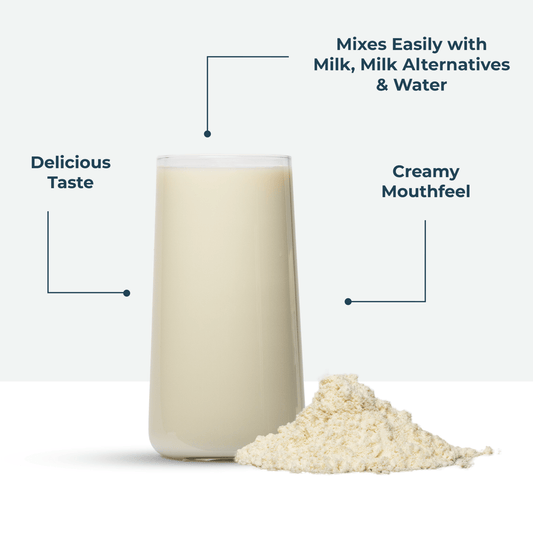
Whey Protein Vanilla 2.27kg Vanilla 2.27kg
Vanilla / 2.27kgRegular price £89.99Regular priceUnit price per -

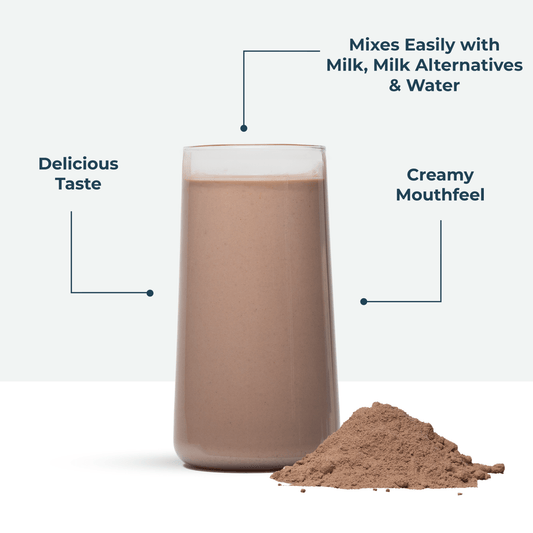
Whey Protein Chocolate 2.27kg Chocolate 2.27kg
Chocolate / 2.27kgRegular price £89.99Regular priceUnit price per -


Whey Protein Vanilla 1kg Vanilla 1kg
Vanilla / 1kgRegular price £52.99Regular priceUnit price per -

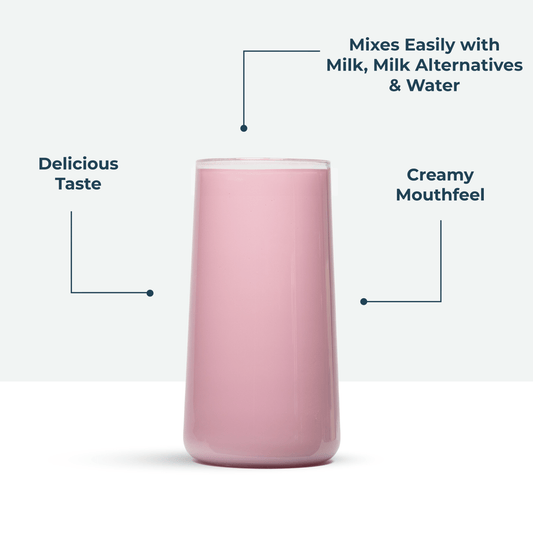
Whey Protein Strawberry 2.27kg Strawberry 2.27kg
Strawberry / 2.27kgRegular price £89.99Regular priceUnit price per -

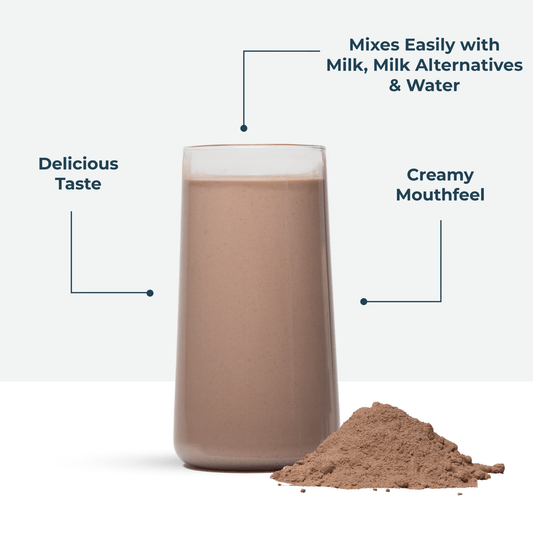
Whey Protein Chocolate 1kg Chocolate 1kg
Chocolate / 1kgRegular price £52.99Regular priceUnit price per -

Whey Protein Chocolate 4.5kg Chocolate 4.5kg
Chocolate / 4.5kgRegular price £145.99Regular priceUnit price per -

Whey Protein Vanilla 300g Vanilla 300g
Vanilla / 300gRegular price £20.99Regular priceUnit price per -

Whey Protein Vanilla 4.5kg Vanilla 4.5kg
Vanilla / 4.5kgRegular price £145.99Regular priceUnit price per -

Whey Protein Chocolate Mint 2.27kg Chocolate Mint 2.27kg
Chocolate Mint / 2.27kgRegular price £89.99Regular priceUnit price per -

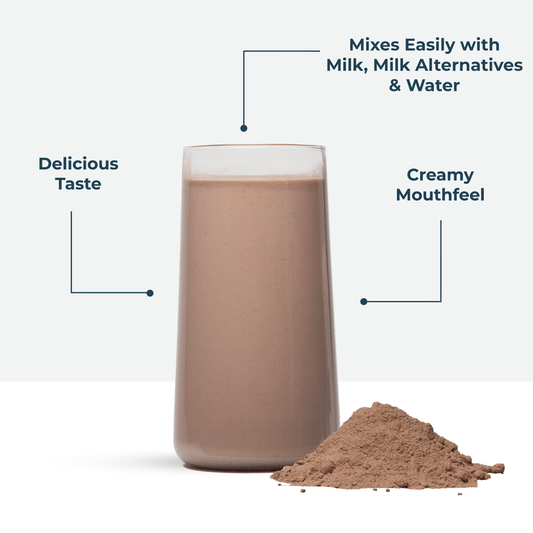
Whey Protein Chocolate 300g Chocolate 300g
Chocolate / 300gRegular price £20.99Regular priceUnit price per -

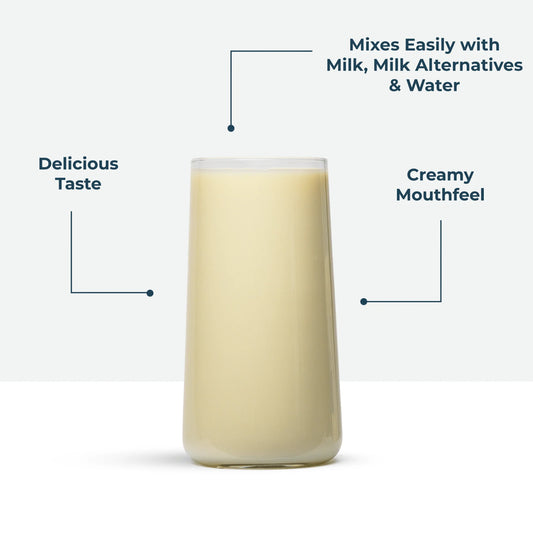
Whey Protein Banana 2.27kg Banana 2.27kg
Banana / 2.27kgRegular price £89.99Regular priceUnit price per -

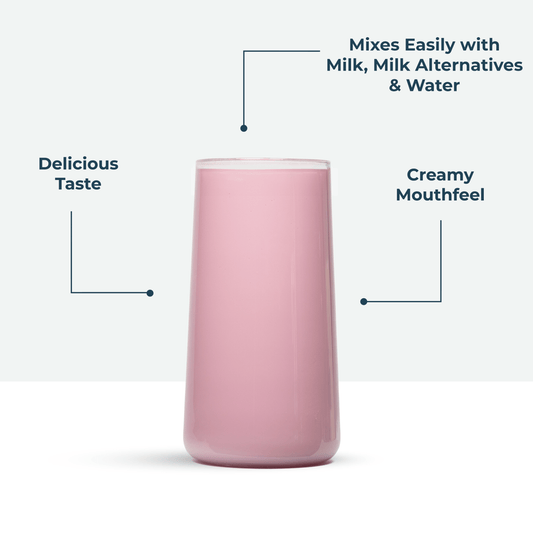
Whey Protein Strawberry 1kg Strawberry 1kg
Strawberry / 1kgRegular price £52.99Regular priceUnit price per


FIND OUT WHICH PROTEIN TO USE


READ OUR BLOG


Whey protein powder is a high-quality protein derived from milk during the cheese-making process. During the churning, milk is separated into curd and a liquid substance floating on top, which is whey. This pure form undergoes filtration and drying to be produced in a powdered form, which is widely used in sports nutrition. Considering its amino acid profile and digestibility, whey protein powder may be incorporated in structured nutritional strategies followed by athletes who regularly undertake intense training.
From a nutritional perspective, whey protein is often referred to as a complete protein. This is because whey is known to contain all nine amino acids, which are required for muscle protein synthesis. The best whey protein is often rich in branched-chain amino acids (BCAAs), including leucine, which actually stimulates the muscle protein synthesis process during exercise. Research published in the Journal of the International Society of Sports Nutrition highlights that amino acids, especially leucine, play a primary role in regulating muscle protein turnover in response to stimuli like training.
Besides being rich in all nine amino acids, the protein in whey protein may also be fast-digesting, leading to better absorption, especially when compared to other forms of protein sources. The fast digestibility and absorption allow the amino acids to enter the bloodstream quickly. This is why whey protein may also be frequently used in post-training nutritional strategies. A review, published in Nutrients, also suggests that fast-digesting protein sources, like whey, can improve postprandial amino acid availability, which may help support the recovery process after a prolonged or intense training session.
Besides its composition and sources, whey protein powder is one of the most widely studied sports supplements, particularly in endurance exercise, team sports, and strength training. Its ease of use also makes this protein source a practical option to help athletes meet their daily protein requirements, particularly when training demands more than usual. Studies by the International Society of Sports Nutrition also cite that during training sessions, athletes rely on more protein intake compared to the general population.
In this context, whey protein is one of the most common ways of protein intake. When combined with a proper balanced diet and the right training programme, it is often a part of broader nutritional strategies adapted by pro-athletes to support constant and demanding training and reach long-term performance goals.
Why Whey Protein is Used in Sports Nutrition?
Because of its amino acid composition, digestability, fast absorption, and relevance to post-recovery training, whey protein powder is widely incorporated into sports nutritional strategies. Athletes undertaking demanding or prolonged training sessions place repeated stress on their muscles, creating a constant need for nutritional strategies that may support recovery. In this context, dietary protein plays an important role, and whey is frequently used as one of the most common and practical options to help meet all these requirements.
Below are some reasons why whey protein is often used in sports nutrition:
Helps in Muscle Protein Synthesis
Muscle Protein Synthesis (MPS) is a physiological process where the body repairs and remodels all the muscle tissues after a physical activity. This process can be influenced by resistance and endurance training, along with the availability of amino acids in the bloodstream.
Unlike most protein sources, whey protein powder is rich in all nine amino acids, including leucine, which is constantly being studied for its role in regulating MPS. According to the research published in the Journal of the International Society of Sports Nutrition, leucine acts as a key signalling molecule in regulating MPS, especially when consumed in proximity to training.
This is another reason why consumption of protein powder may be structured around training sessions, allowing the body to have sufficient amino acids in the bloodstream.
Recovery Support after Intense Training
Recovery is one of the most important components when it comes to a structured nutritional programme. After an intense training session, the body often undergoes intense physiological processes that are aimed at restoring energy levels, repairing muscle tissues and preparing for the next training session. In this context, nutrition plays an important part, especially when we talk about protein and carbohydrate intake.
According to research published in Nutrients, protein intake after exercise may help with muscle repair and remodelling. Moreover, the timing of protein intake may also influence the availability of amino acids in the bloodstream, which may, then, influence the MPS process.
Versatile Use Across Different Sports Disciplines
Another good thing about whey protein is that it is not restricted to just a single type of athlete. In fact, it can be utilised across a wide range of sports disciplines, considering each discipline has different demands and training structures.
When it comes to powder-based or strength sports, protein intake is often aligned with resistance training to further support muscle adaptation. In endurance sports, protein may be used to offer a good amount of carbohydrates for stable energy levels. Team sport athletes may rely on whey protein as a part of their overall nutritional strategy.
Types of Whey Protein Powder
Whey protein powder is available in different types, where each one differs in terms of processing method, protein concentration and absorption. The choice, however, may often depend on the broader training and nutritional strategy. Below are some of the most common whey protein powder types:
Whey Protein Concentrate
Whey concentrate is one of the least processed types of whey protein powder. It may contain moderate protein content, along with small amounts of carbohydrates and fat. Because it is the least processed, it may also retain a range of bioactive compounds that are naturally present in whey, like immunoglobulins.
Whey concentrate contains all nine amino acids. Research published in Nutrients also suggests that adequate intake of protein may help support muscle protein synthesis and recovery after training. The presence of all nine amino acids, in this context, may offer a proper protein intake. Moreover, since whey concentrate often comes with a balanced nutritional profile, it may also be used by athletes as a general-purpose protein supplement, allowing them to meet their daily protein requirements.
Whey Protein Isolate
While concentrate is also processed to get rid of extra fats and carbohydrates, whey protein isolate goes through additional processing, resulting in a higher protein concentration per serving. This whey type also has low lactose content, making it a good choice for people who are lactose intolerant.
Whey isolate is often viewed as a good choice for athletes who aim to maximise their protein intake while limiting the other macronutrients. It also provides all nine amino acids and is easily digestible. Studies cited in the Journal of the International Society of Sports Nutrition highlight that protein quality and amino acid composition are one of the key factors that support muscle protein synthesis.
Hydrolysed Whey Protein
Hydrolysed whey protein is produced through the hydrolysis of protein into smaller peptides. This process is designed to accelerate digestion and absorption, allowing amino acids to quickly enter the bloodstream.
Because it is easily digestible, this type of whey protein is used in post-exercise nutrition strategies where rapid amino acid delivery is vital. According to research in Sports Medicine, the rate at which protein is digested in the body can influence post-exercise amino acid availability and recovery.
Clear Whey Protein
Clear Whey is, rather, a new development within sports nutrition. Slightly different from whey protein, clear whey can differ in terms of its texture and format. While whey and other forms of protein powders offer a milk-like consistency, clear whey creates a light, juice-like drink when mixed with water.
This can be a good option for someone who is not willing to consume heavy shakes. Despite its texture, it still provides all essential amino acids and is actually easier to digest. Clear whey is often chosen in warm conditions where heavy shakes may not be desirable. It combines protein intake with hydration strategies, making it a good choice for extended sessions where fluid intake is also a priority.
Kinetica Whey Protein Range
Kinetica whey protein range is designed for pro-athletes undertaking structured training programmes. The product line mixes traditional whey protein with new formats, like clear whey, offering more flexibility. However, the protein quality, ingredient transparency and product testing standards are aligned with competitive sports.
Core Whey Protein Powder
Kinetica Sports’ standard formulation is based on a multi-source blend, which typically combines whey protein concentrate with isolate and hydrolysed whey protein. This offers a balanced amino acid profile along with better digestion. Each serving of Kinetica Sports whey protein offers about 22-23grams of protein and 5.5grams of branched-chain amino acids (BCAAs). This also includes leucine, which is being studied for its role in muscle protein synthesis. The protein, in whey protein powder by Kinetica Sports, is sourced from grass-fed, hormone-free cow’s milk, and offers a wide variety of flavours and sizing options.
It can be blended into shakes, easy-to-digest juices, and even pancake batters to make your breakfast fun and nutritious. Practically, this type of whey protein is often used after or before training, as part of a recovery strategy. It can also be taken anytime throughout the day to help meet daily protein requirements.
Clear Whey Isolate
Unlike Kinetica Sports whey protein, clear whey protein powder by Kinetica Sports differs in its consistency, texture and digestability. Meant for a quick and easy digestion, clear whey is formulated to produce a lighter, juice-like drink when mixed with water. Each serving of clear whey, by Kinetica Sports, contains 24grams of whey protein isolate and low lactose content.
Due to it being additionally filtered, it may be easy to digest and might be a good option for someone who is lactose intolerant. Clear whey can be used post-training in warmer conditions, where a juice-like drink can offer all- a refreshing feeling, hydration and needed protein content.
One of the defining features of the entire whey protein range by Kinetica Sports is its emphasis on every batch, every product being tested and compliant with the competitive sports standards. All whey protein powders, by this brand, are batch-tested to meet World Anti-Doping Agency (WADA) requirements and are also certified under the Informed Sports Regimen, which screens for banned substances.
Quality and Testing Standards
In the field of competitive Sports, the quality and safety of nutritional supplements may be important considerations, especially for athletes subject to anti-doping regulations. In this context, whey protein products are often evaluated not only for their nutritional composition but also for their sourcing, manufacturing process and product testing protocols. Kinetica Sports’ whey protein range may offer a strong emphasis on all three main aspects commonly followed and expected within elite sports.
Informed Sport & WADA Compliance
Whey protein powder, by Kinetica Sports, is certified under the Informed Sports programme. This is a globally recognised quality assurance initiative that tests nutritional and other kinds of supplements for all banned substances, prohibited in sport. This programme operates in line with the regulations set by the World Anti-Doping Agency (WADA), which establishes and lists all banned substances for competitive athletes.
Each batch of Kinetica Sports whey protein powder is tested, offering the needed assurance to athletes. As stated by Informed Sports, the testing process they follow is designed in a way to reduce any risk of contamination that could lead to anti-doping violations.
This certification is relevant to professional athletes, where their supplements must align with strict regulatory standards. According to research published in Sports Medicine, contamination has always been a concern in sports, and the presence of third-party testing and certification programmes is pretty important.
Ingredient Sourcing
Ingredient sourcing, along with testing protocols, is another crucial aspect for supplement quality. Kinetica Sports whey protein powder is sourced from grass-fed, hormone-free cow milk. The brand also offers the needed product and ingredient transparency, allowing the user to visualise how this could fit in their overall nutritional strategy.
If we look at a broader perspective, nutritional guidelines have also emphasised the purity and high-quality of protein sources, to support training and recovery. In fact, according to reviews published in Nutrients, protein quality, which is often defined by its amino acid composition and digestibility, plays a vital role in its effectiveness within sports nutrition applications.
Manufacturing Standards
Supplement manufacturing standards are also an important consideration, especially if we consider consistency and quality control. Organisations like Informed Sports offer ingredient testing and regular audits, ensuring high-quality product manufacturing consistency.
How Whey Protein Works in the Body?
Whey protein, when consumed, is digested into amino acids, which are then absorbed in the bloodstream and made available for multiple metabolic processes. For athletes undertaking demanding or prolonged training sessions, whey protein can especially help with muscle protein synthesis and recovery between every session.
Digestion & Absorption
Whey protein is a fast-digesting protein, allowing amino acids to quickly enter the bloodstream. After ingestion, whey is digested in the gastrointestinal tract, where amino acids are released and enter circulation.
According to research published in Nutrients, rapidly digesting proteins, like whey protein, can allow amino acids to quickly enter the bloodstream. This may accelerate recovery between sessions.
Amino Acid Delivery
Once amino acids enter the bloodstream, they travel to help with physiological processes like muscle protein synthesis. Amino acids, with leucine, in particular, are studied for their role and effectiveness in muscle repair and remodelling following a training session.
Citation in the International Society of Sports Nutrition notes that protein sources that are rich in amino acid profile offer better support for muscle protein synthesis.
Protein Content & Recovery
Training, especially prolonged or demanding, can stimulate the breakdown and synthesis of muscle protein (MPS). The balance between the two is often affected by training intensity, overall nutrition and protein intake.
Post-training, consuming a proper dietary protein may support the body’s recovery process by providing amino acids like leucine that further enhance the MPS process.
How Much Whey Protein Should Athletes Take?
When compared to the general population, protein requirements for professional athletes may usually be higher. The increased demand is usually due to demanding training sessions, required recovery and adaptation. The amount of protein an athlete may consume can often depend on various factors like body weight, training intensity, type of sports, and overall diet.
Daily Protein Requirement for Athletes
According to a citation in the International Society of Sports Nutrition, athletes engaged in regular training may require protein intake, ranging from 1.4 grams to 2.0 grams per kilogram of body weight per day, depending on their training loads and goals.
The right amount may also be influenced by the need to support muscle protein synthesis, recovery between sessions, and adaptation to resistance and endurance training. For instance, an athlete weighing 75kg may require somewhere between 105g and 150g of protein every day to support MPS and trigger recovery.
Protein Distribution throughout the Day
Research, published in Nutrients, suggests that consuming protein in multiple servings across the day can optimise protein synthesis by offering a constant supply of amino acids.
In this context, an athlete may aim to include protein at regular meal intervals, around training sessions and post-sessions, as part of a proper nutritional and recovery programme.
Typical Serving Size & Usage
Depending on the formulation, a standard serving size of whey often ranges between 20-25grams of protein. Since whey offers quick digestion, it can be consumed post-training to support recovery, between meals to meet daily protein requirements and during recovery to support carbohydrate intake as well.
Choosing the Right Whey Protein
Choosing the right whey protein for you can depend on a number of factors, including training demands, goals, dietary preferences, digestion and practical considerations like convenience or format. While all kinds of whey protein may offer all nine amino acids, smaller differences in processing, composition or formulation can influence how they can be used in an athlete’s nutritional plan.
Protein Type & Composition
One of the primary considerations an athlete must make is choosing between the types of whey, like concentrate, isolate or clear whey. Whey concentrate offers a more balanced nutritional profile, while isolate can offer higher protein content without much traces of lactose. On the other hand, clear whey offers a refreshing drink which is easy to digest.
Training Context & Usage
The type of training and goals can also be an important consideration when choosing the right type of whey protein. That said, traditional whey, like whey concentrate, may be used as part of a post-training recovery strategy. Clear whey, on the other hand, might be taken during or immediately after training.
Dietary Tolerances & Digestability
Digestability is yet another important consideration, espeically when it comes to high-performance or pro-athletes. Some athletes may prefer whey isolate or clear whey due to quick digestability and lower lactose content. Research in Sports Medicine also suggests that gastrointestinal comfort can influence nutritional adherence.
Certification & Product Quality
For athletes competing in highly regulated environments, it may be best to consider product testing and certifications. Choosing supplements that are tested under programmes like Informed Sports Regimen or are aligned with WADA may provide additional assurance regarding product standard and safety.
Frequently Asked Questions About Whey Protein
Below are some of the most common questions you may have on whey protein:
What is whey protein powder?
Whey protein is commonly used as a dietary protein supplement by athletes who undertake regular training sessions. Since it may offer all nine amino acids, whey protein is one of the easiest-to-digest protein sources that may support muscle protein synthesis, a process that supports muscle recovery after training.
When should you take whey protein?
The right time to consume whey protein might depend on various considerations like goals, training intensity and whey protein composition. Whey protein might be taken before or after a training session to allow amino acids like leucine to enter the bloodstream and support muscle recovery.
How much whey protein do athletes need?
Daily protein requirements for athletes may depend on factors like the type of sports you are competing in, goals, frequency of training sessions, etc. According to multiple studies, an athlete may require 1.4 grams to 2.0 grams per kilogram of body weight per day, depending on their training loads and goals.
Is whey protein suitable for endurance athletes?
Whey protein may be a good choice for endurance athletes. Along with offering protein, whey protein powder may also contain carbohydrates that can work as a fuel to support prolonged or highly intense training sessions.